
The Billion-Dollar Bottleneck and The Open-heart Surgeon
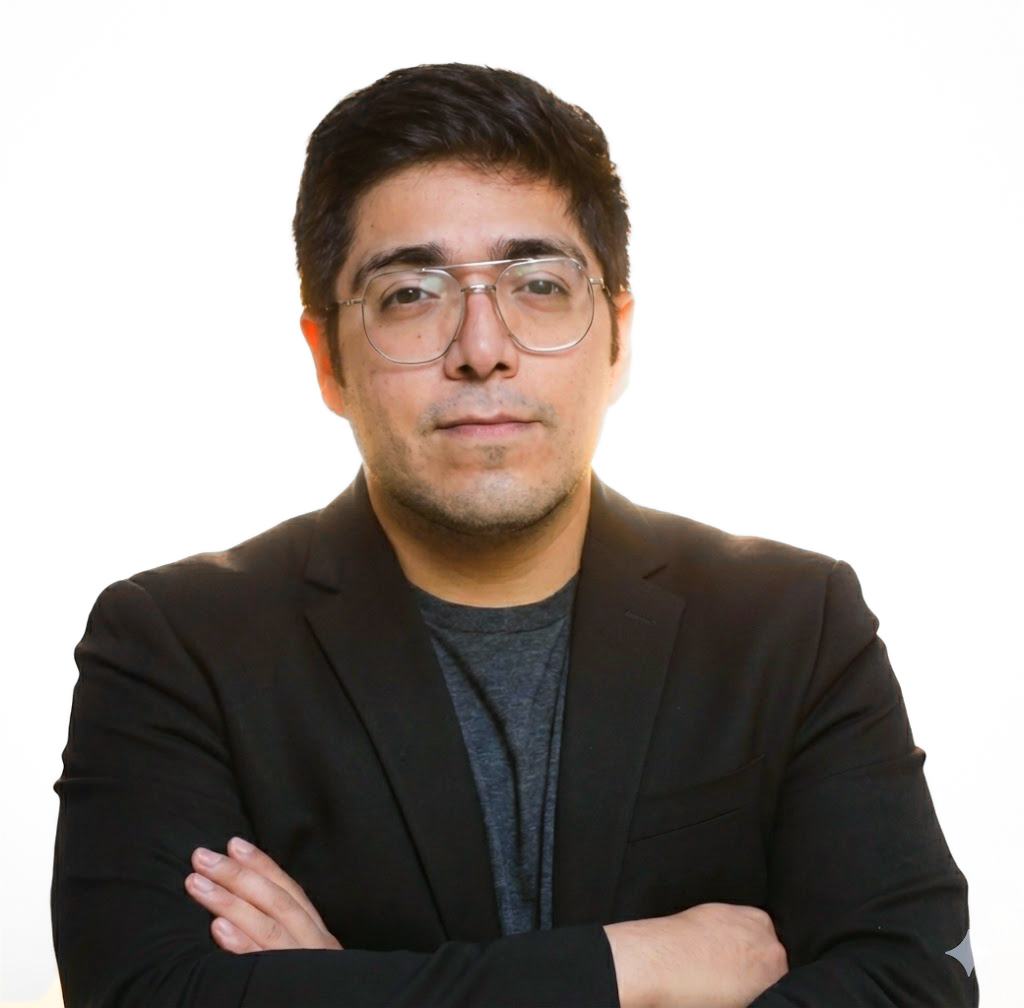
Imagine being a surgeon and having to do an open-heart surgery… while your patient runs a marathon?
Sounds a bit insane, but that’s not far from what one of our top consultants at Toll International is doing right now. Rebuilding one of the most important arteries for the American economy while it is flowing.

And he’s doing it not in the way we usually imagine massive construction projects. We usually think about the grand views: time-lapses, massive yellow cranes swinging steel into place. The satisfying pour of concrete. But here's the dirty secret of capital projects: before any of that happens, someone has to win a quiet, unglamorous war against friction.
Friction is the utility truck that can't get on-site because of a security mix-up. It’s the intern who put the traffic cones on the wrong lane and now has caused a massive traffic jam and the delay of all your material. It's the approval that should take a day but takes three weeks because someone's on vacation.
Let friction win, and the project stops. And when the project is the Port Street Corridor Improvement, stopping isn't an option.
"It's the sole northern entry point to the port," says Gare, Program Manager and Consultant at Toll. "There's no other way to get in."
Can you imagine? One road. Fifty years without a major upgrade. Millions of dollars in freight passing through daily. And Gare’s job is to rebuild it without, and here’s the catch, shutting it down.
The Steady Force
Gare has been with Toll International for about three years now. In that time, he's watched colleagues get promoted and move on to other projects. He stayed.
"Folks have since moved, got promotions, and I've kind of been that steady staying force," he told me.
That steadiness has made him indispensable. The delivery team he serves has gradually rolled more responsibilities his way, coordinating outreach, managing stakeholders, keeping the project on track for its 2028 completion date.
"I think that's a good thing," Gare said. "They think that I'm very capable." He paused. "But I guess the bad thing is that they think that I'm very capable."
He's not complaining. The Port Authority just renewed their capital plan, and there's a decade of work coming down the pipeline. Gare's already heading up the biggest project in the port, with one program manager and a senior program manager above him.
The rest of the team, Port Authority Engineering and Construction staff, handles implementation. But the delivery, the coordination, the stakeholder wrangling? That runs through Gare and the Toll team.
The Port Street Corridor is the kind of infrastructure people ignore until it fails. It's not photogenic; it doesn't get ribbon-cuttings on the evening news. But choke that road, and you choke the port. Choke the port, and the supply chain feels it from Newark to Nashville.
"What I'm doing affects the movement of freight, millions and billions of dollars of freight, in and out of one of the busiest places in the world," Gare said. "By scope, by definition, it's big. So it feels impactful."
The Blocker Hunter
Ask Gare what he actually does day-to-day, and he puts it so simply a 5-year-old will get it the first time. He calls himself a remover of "blockers."
A blocker is anything threatening the timeline. Could be physical: a utility crew can't access the site because someone didn't coordinate with PSE&G. Could be administrative: an approval is stuck in the Port Authority's internal pipeline. Could be a scheduling conflict that seems minor until it cascades into a two-week delay.
"My day-to-day is really going through correspondence to ensure there are no blockers in any way, shape, or form," Gare explained.
He makes it sound simple.
On a project with over twenty stakeholders, each with their own priorities, their own timelines, their own definition of "urgent", coordination becomes a full-contact sport.
Gare is part diplomat, part detective, part air traffic controller.
He's reviewing P6 schedules, chasing down approvals, and making sure the project stays on track for its milestones.
And no two days look the same. He might be on-site at the corridor in the morning, in the office by afternoon, then at a stakeholder engagement meeting before the day ends. "It really runs the gamut," he said.
Three years of responsiveness, dependability, and empathy in his work have earned him the trust of project owners.
"I'm generally in charge of the big ones," he added.
Putting Out Fires
Toward the end of our conversation, Gare had to cut things short. "Gotta run," he said. "Put out some fires."
Yet his lightheartedness points to a very real and critical responsibility: if there is actually a fire, he has to be prepared to deal with it just like any other blocker. But that's the job when you're managing a fifty-year infrastructure upgrade on a road that can't close, with a sunset date of 2028 and ten more years of port projects waiting in the wings.
Most of us see the port as scenery, containers stacked like Legos, cranes silhouetted against the sky. Gare sees something else. He sees the freight that keeps stores stocked and factories running.
He sees a puzzle he's solving in real time, every day, one blocker at a time.
At Toll International, we build infrastructure. But first, we clear the path so the building can happen.
Does your capital project need someone to navigate the stakeholders and hunt down the blockers? Reach out at tollintl.com.

Comments